
THE FEED
Social Commerce, Decoded — by LiSA
Issue 01 · July 2026
High viral conversion probability detected in Gen-Z segment.
The Take
June was the month social commerce stopped looking like a collection of experiments and started looking like infrastructure.
TikTok Shop expanded further across Europe. Meta brought live commerce back into the ad stack. Pinterest pushed shopping discovery toward AI-powered conversation. And Tilt raised new funding for AI-powered live auctions — a reminder that the next phase of live commerce is not just about going live, but about building better selling systems around video, community, product data, and urgency.
The bigger signal: brands are no longer only deciding whether to sell through social platforms. They are deciding how much of their commerce strategy they are willing to let platforms own.
Discovery is shifting into feeds, AI search, creator recommendations, live video, and marketplace events. That creates reach. But it also creates dependency.
Our read: the winning brands will not choose between social platforms and their own ecommerce. They will use social platforms to create demand — and build owned experiences that turn that demand into long-term customer relationships.
Here are the three June stories that matter.
Three Stories, Decoded
TikTok Shop expands across Europe
- What happened
- TikTok Shop expanded to Austria, Belgium, the Netherlands, and Poland in June, adding to its existing European markets including the UK, Germany, France, Italy, Spain, and Ireland. That makes TikTok Shop harder to treat as a single-market test. For European brands, it is becoming a regional commerce channel with marketplace logic, creator distribution, affiliate mechanics, live shopping, and native checkout.
- The opportunity
- For brands, this opens a larger social-commerce surface across Europe. TikTok is not only a place where products are discovered; it is becoming a place where discovery, creator proof, promotion, checkout, and fulfillment expectations sit much closer together. That matters most for categories where social proof drives purchase: beauty, wellness, fashion, accessories, home, food, lifestyle products, and trend-led consumer goods.
- The catch
- TikTok Shop growth comes with platform dependency. Brands get access to reach, creators, affiliates, and in-app conversion — but the customer relationship sits inside TikTok's ecosystem. Merchants also need to adapt to marketplace operations: seller rules, content velocity, creator incentives, product listings, discounting, compliance, and campaign moments. In other words: TikTok Shop is not just another paid social channel. It behaves more like a social marketplace.
- Who it's for
- Brands that already have strong short-form video content, creator relationships, impulse-friendly products, and the operational ability to manage marketplace-style selling.
- Watch for
- Whether TikTok makes cross-border selling in Europe easier for merchants. If seller onboarding, catalog management, and fulfillment become more unified across markets, TikTok Shop could become a much more serious European ecommerce layer.
- LiSA's read
- Brands should test TikTok Shop — but they should not let TikTok become the only place where their social-commerce experience lives. The stronger play is to use TikTok as a demand engine, then bring the same social proof, creator content, live replays, and shoppable video experience back onto the brand's own website. Social commerce should not end at the platform checkout.
Meta makes live commerce buyable through ads again

- What happened
- At Cannes, Meta introduced new commerce tools designed to turn discovery into purchase, including Live Video Ads, expanded affiliate partnerships, and checkout-related updates. This is not the same as the old version of Instagram live shopping. Meta is approaching live commerce through media buying, creator partnerships, product tagging, and AI-powered ad delivery. That changes the story. Live shopping is no longer only an organic event format. It can become paid distribution.
- The opportunity
- Live commerce has always had one major limitation: reach. A brand could run a great livestream, but only a small portion of its audience might show up at the right time. By connecting live content to ads, Meta is trying to solve the audience problem. Brands can turn live video into a promotable format and reach people beyond their existing followers. For retailers, this makes live content more measurable, scalable, and campaign-friendly.
- The catch
- Paid distribution solves reach, but not quality. A livestream still needs a strong host, clear product storytelling, good creative pacing, and a reason to buy now. If the content itself feels weak, putting media spend behind it will only scale the weakness. There is also a brand-control question. As Meta automates more of the ad stack, brands need to understand how products, creators, formats, and calls-to-action are selected and optimized.
- Who it's for
- Brands already investing in live shopping, creator content, affiliate programs, or performance marketing — especially those with enough content volume to test multiple formats.
- Watch for
- Whether Meta gives brands enough control over where live commerce ads appear, which products are featured, and how creator-led content is optimized.
- LiSA's read
- Meta's move is a reminder that live commerce should not be judged only by live attendance. The more valuable asset may be the content library created around the live moment: product demos, host explanations, customer questions, creator clips, objections handled in real time, and short-form highlights. Brands should think beyond “one live event.” The real opportunity is to turn live content into reusable social commerce assets across ads, product pages, stories, reels, email, and the brand's own website.
Pinterest turns shopping into an AI conversation
- What happened
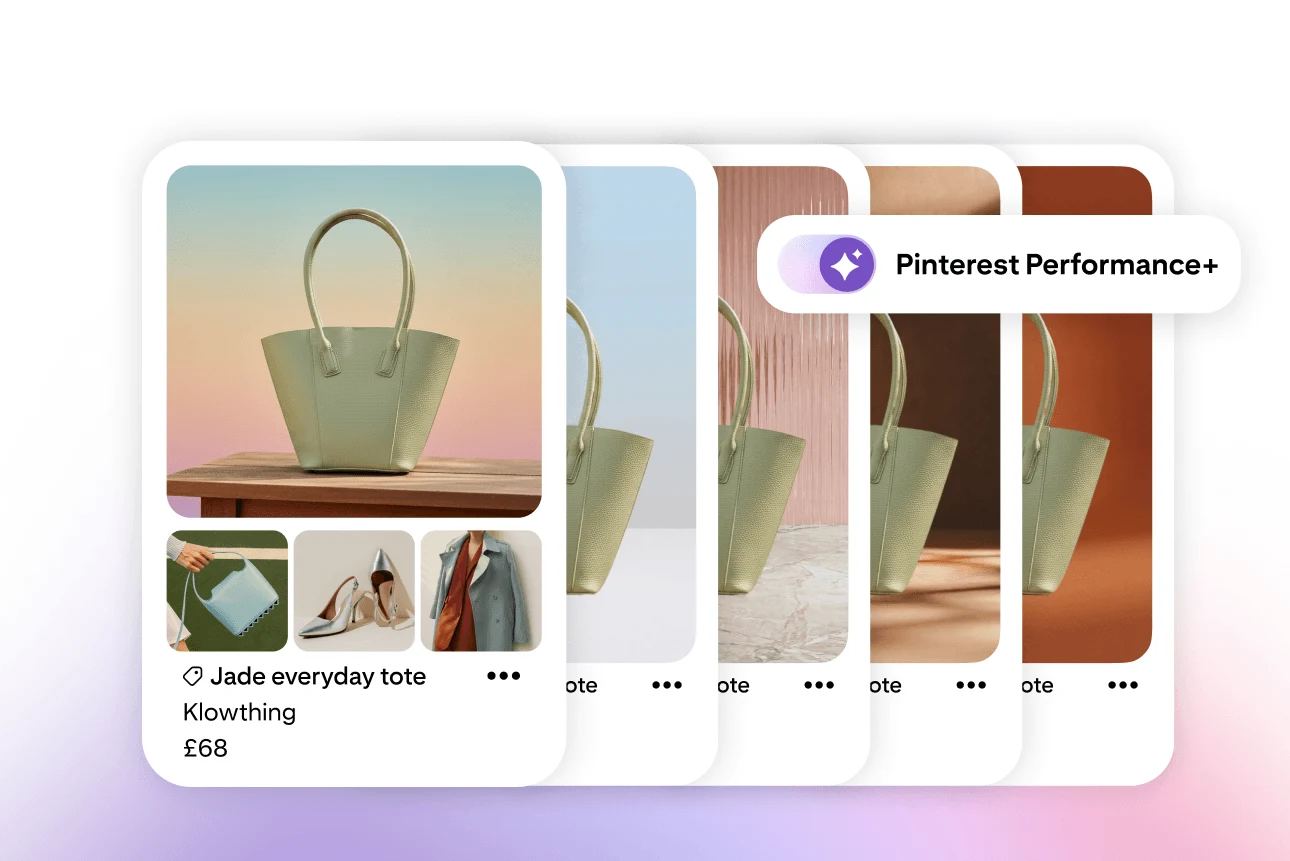
- Pinterest announced Ask Pinterest, a limited-access AI shopping experience designed to let users describe what they want in natural language and get personalized recommendations. This fits Pinterest's broader positioning: less about passive scrolling, more about intent-led discovery. Pinterest wants to own the planning and consideration phase of shopping — especially for categories where people browse, compare, save, refine, and return before they buy.
- The opportunity
- AI shopping could be especially powerful for high-consideration categories. A shopper may not search for one exact product. They may search for a mood, room, occasion, style, body type, budget, color palette, gift idea, or use case. A conversational shopping interface can capture that messy intent better than a keyword search bar. For brands, this makes product data, visual content, and contextual storytelling more important. The question is no longer only “is the product tagged correctly?” It is “can an AI system understand when this product is the right answer?”
- The catch
- Ask Pinterest is still experimental. It is not yet a full shift in how most Pinterest users shop. The bigger strategic question is whether AI shopping stays as a separate experiment or becomes part of the core Pinterest experience. If it moves into the main app, brands will need to think seriously about AI discoverability, catalog quality, product metadata, lifestyle imagery, and content context.
- Who it's for
- Home, fashion, beauty, interiors, gifting, lifestyle, weddings, travel, food, and any category where shoppers start with inspiration rather than a specific SKU.
- Watch for
- Whether Pinterest brings this conversational shopping behavior into its main app and ad products.
- LiSA's read
- Pinterest is pointing toward a bigger shift: product discovery is becoming less linear. A shopper might see a TikTok, save a Pinterest board, ask an AI tool for recommendations, watch a creator review, visit a product page, return through an ad, and finally buy after seeing social proof on the brand's own site. Brands need content that can travel through that journey. Not just product images. Not just ads. Not just influencer posts. They need connected, shoppable, reusable social content that works across every discovery surface.
The Number
$20B+
TikTok Shop's U.S. sales for 2026 are being estimated in the tens of billions of dollars, with several forecasts placing the figure around or above $20 billion.
The exact number matters less than the direction: TikTok Shop is becoming one of the most important tests of whether social commerce can behave like a true marketplace in Western markets.
For brands, the takeaway is simple. Social commerce is no longer a side experiment run by the social team. It is becoming a real ecommerce channel — with its own content rules, creator economics, conversion mechanics, and operational demands.
One More Signal
Tilt raises $26M for AI-powered live auctions
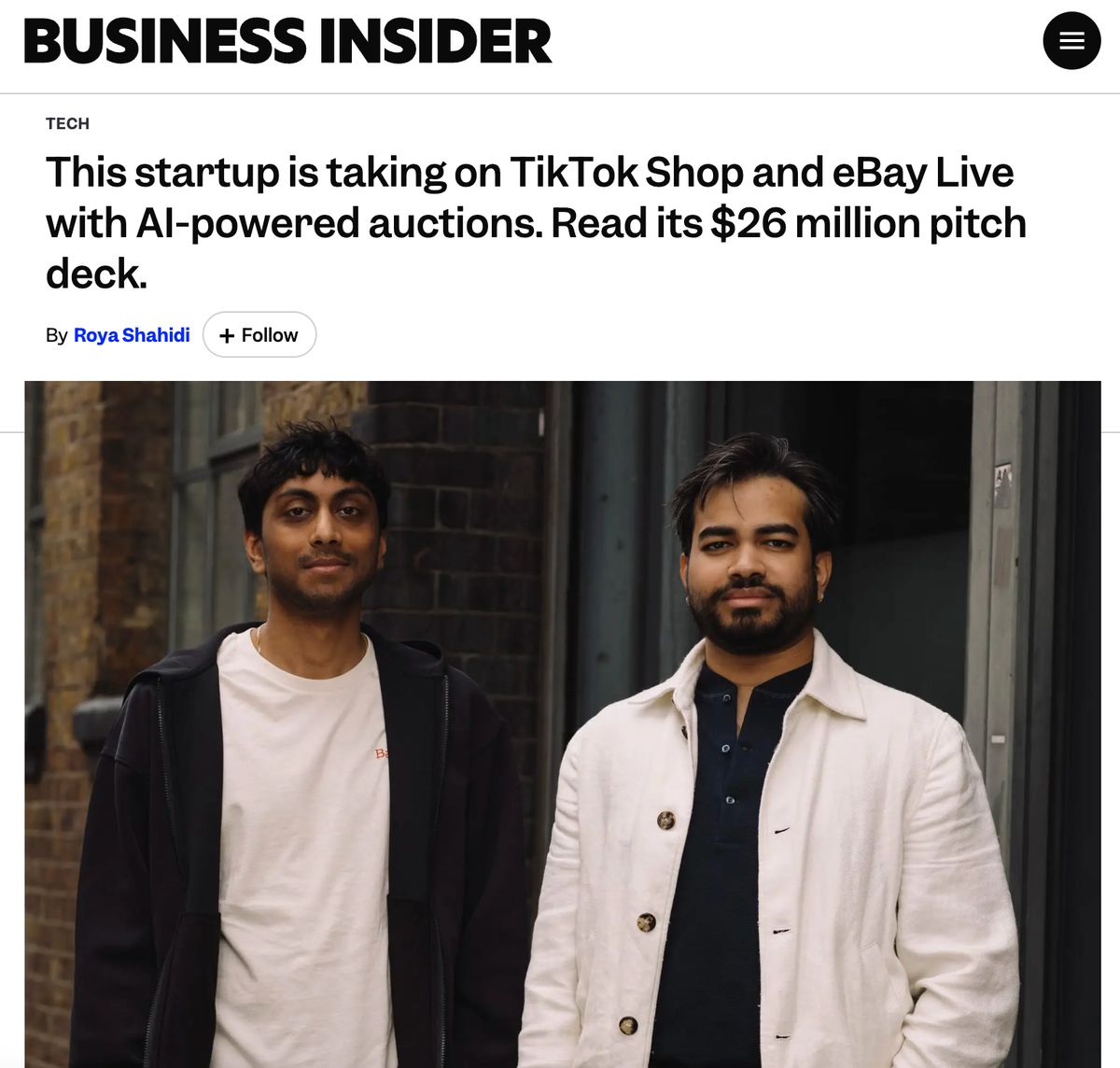
Tilt, the London-based live-shopping and auction app, raised $26 million in June, bringing its total funding to around $50 million.
The round matters because Tilt is not positioning live commerce as a brand livestream tool. It is building live commerce as seller infrastructure: auctions, real-time bidding, AI-generated listings, seller copilots, buyer search, and social clips that can be reused across TikTok, Instagram, and YouTube Shorts.
That makes Tilt one of the clearest June signals that live commerce is moving in two directions at once. On the front end, it still looks like entertainment: sellers go live, audiences watch, bid, comment, and buy in real time. But behind the scenes, the category is becoming more technical. AI helps sellers create listings faster, price items, run streams, generate clips, and match buyers with relevant inventory.
The lesson for brands: live commerce is not only about going live. It is about building a repeatable selling system around video, product data, creator energy, community, and conversion.
Tilt's raise also shows where investors see momentum: resale, auctions, scarcity-led shopping, and social-native commerce formats where urgency is built into the experience.
For brands, the question is not “should we host a livestream?” The better question is: “How do we turn live and social content into a selling engine that keeps working before, during, and after the live moment?”
Before You Go
June's message was clear: social commerce is moving deeper into the stack.
Platforms want to own discovery, checkout, creator distribution, affiliate conversion, live shopping, AI recommendations, and marketplace moments. That creates huge opportunity for brands — but also a new dependency risk.
The next phase of social commerce will not be won by brands that chase every platform feature. It will be won by brands that build a system: social platforms for reach, creators for trust, live and video content for conversion, AI-ready product data for discovery, and owned ecommerce experiences for long-term value.
That is where LiSA comes in. LiSA helps brands turn social content into shoppable experiences across their own websites — from live shopping and shoppable stories to reels, video commerce, and Social PDPs.
Because your best social commerce should not only live on rented platforms. It should live where your brand, your community, and your customer relationship belong.
— The LiSA team
Subscribe to this Newsletter (THE FEED)
One email a month. Real signal from the social commerce frontier — curated and decoded by the LiSA team.